


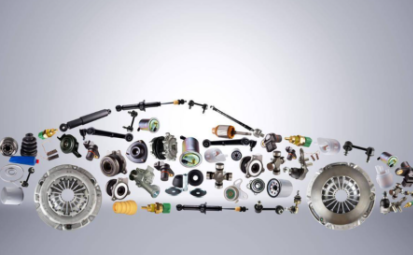
Automotive parts processing mainly includes processes such as stamping, welding, cutting, and assembly. Below is a detailed introduction:
Stamping: Stamping is the process of using a die with a mold cavity to separate or deform metal sheets. In automotive manufacturing, stamping is primarily used to produce key components such as body panels, doors, roof covers, and fenders.
2. Welding: Welding is the process of joining two or more metal materials together. In automotive manufacturing, it is primarily used to produce key components such as body structural parts, chassis components, and engine mounts. Common welding methods include resistance welding, gas metal arc welding, and laser welding.
3. Machining: Machining is the process of removing excess material from metal using tools to achieve the desired dimensions and shape. In automotive manufacturing, machining is primarily used to produce various components such as gears, shafts, camshafts, and crankshafts. Common machining methods include turning, milling, drilling, and planing.
4. Assembly: Assembly is the process of combining various components in a specific sequence and position to form a complete automotive product. In automotive manufacturing, assembly primarily includes engine assembly, chassis assembly, and body assembly.
5. Surface Treatment: Surface treatment is a process that involves corrosion prevention, rust resistance, and decoration for components. Common surface treatment methods include electroplating, heat treatment, spraying, and polishing.
6. Inspection and Testing: Inspection and testing are processes to examine and verify the performance, quality, and other aspects of automotive components. Common inspection and testing methods include performance testing, strength testing, and durability testing.
试一试:
关键术语解释
专家审校